Advanced Reactors
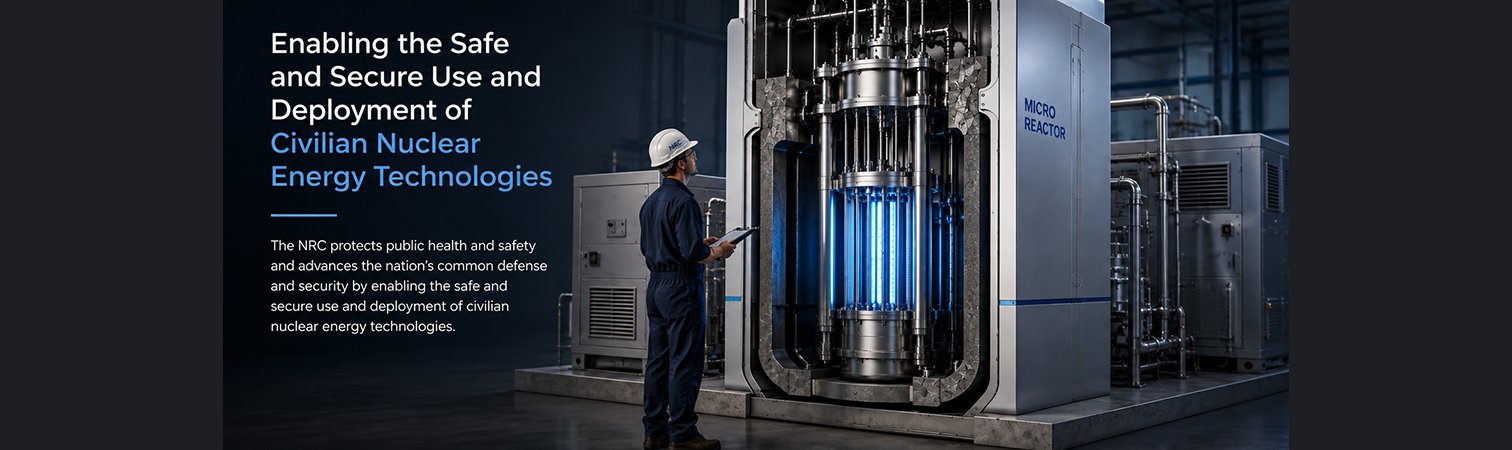
Reactor designers are developing a number of small light-water reactor (LWR) and non-LWR designs employing innovative solutions to technical nuclear power issues. These designs could be used for generating electricity in isolated areas or producing high-temperature process heat for industrial purposes. The U.S. Nuclear Regulatory Commission (NRC) expects to receive applications for staff review and approval of some of these designs as early as Fiscal Year 2012.
The NRC has developed its current regulations on the basis of experience gained over the past 40 years from the design and operation of light-water reactor (LWR) facilities. Now, to facilitate the licensing of new reactor designs that differ from the current generation of large LWR facilities, the NRC staff seeks to resolve key safety and licensing issues and develop a regulatory infrastructure to support licensing review of these unique reactor designs. Toward that end, the staff has assembled a list of related Commission documents and policy statements and identified several potential policy and technical issues associated with licensing small LWR and non-LWR designs. The staff has also assembled a list of stakeholder position papers identifying stakeholder documents that communicate opinions to the staff on technical or policy issues. Additionally, the NRC's Office of Nuclear Regulatory Research has engaged in an extensive program focusing on nine key areas of anticipatory and confirmatory research in support of licensing reviews for advanced reactors.
NRC policy encourages early discussion (prior to submission of a license application) between agency staff and potential applicants (such as utilities and reactor designers). Such discussions enable the NRC staff to offer licensing guidance and identify and resolve potential licensing issues early in the licensing process. During this pre-application period for design certification, the NRC holds public meetings with potential applicants to discuss advanced reactor designs and identify (1) major safety issues that could require Commission policy guidance to the staff, (2) major technical issues that the staff could resolve under existing NRC regulations and policy, and (3) research needed to resolve identified issues.
See the following pages for specific information regarding ongoing pre-application reviews:
| Design | Applicant |
|---|---|
| NGNP | U.S. Department of Energy (DOE) |
| NuScale | NuScale Power, Inc. |
| B&W mPower | Babcock & Wilcox Company |
In November 2010, Tennessee Valley Authority (TVA) submitted a set of key licensing assumptions to support 10 CFR Part 50 licensing and construction of up to six mPower small modular reactor modules at the Clinch River site in Roane County, Tennessee. See the following pages for specific information regarding the TVA proposal:
| Site | Applicant |
|---|---|
| Clinch River Site Roane County, Tennessee |
Tennessee Valley Authority (TVA) |
In addition to the primary pre-application activities discussed above, the NRC staff is interacting with several other reactor designers related to possible applications. Several of these include Toshiba Corporation's Super-Safe, Small and Simple (4S) Design, General Electric Hitachi's Power Reactor Innovative Small Module (PRISM) Design, PBMR Ltd's Pebble Bed Modular Reactor (PMBR), and Hyperion Power Generation's Hyperion Power Module (HPM).